Project LEO
One of the most ambitious, wide-ranging, and innovative trials to accelerate the UK’s transition to a zero carbon energy system.
Project LEO (Local Energy Oxfordshire) was a four-year project that ended in March 2023. This collaborative project conducted multiple trials in Oxfordshire, issued numerous reports and gained vital insight into how a smart and flexible energy system of the future could look. The project also studied the infrastructure, markets and regulations that should be put in place to make this flexibility commercially and technically viable.
The Project
- Tested new market and flexibility models – exploring new products and services to create new opportunities to benefit from the way we generate, store and use energy in our homes, organisations and communities.
- Advanced the capabilities of networks to manage smart, renewable and storage technologies – learning what needs to happen to our electricity networks to make them ready for a change to a local energy system.
- Facilitated local participation in the energy system – ensuring that individuals, households and organisations are part of the energy transition.
Through these trials, we gained a better understanding of how a smart, locally balanced energy system could bring social, economic, and environmental benefits for all.
Key findings
- Read more about Project LEO and what it meant for Low Carbon Hub in this blog post.
- Read in more detail about our Smart and Fair Neighbourhood Trials in this case study.
- Watch these two short videos reflecting on our work in Project LEO:
Building a knowledge base
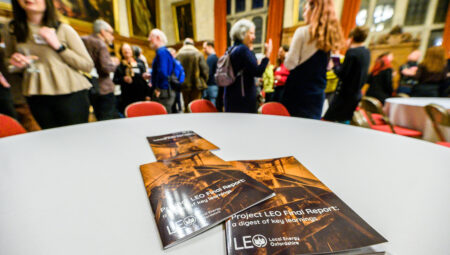
Project LEO Reports
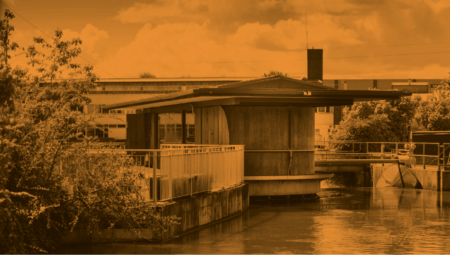
Case Studies
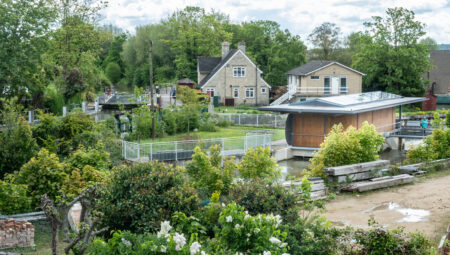
The Osney Island Grid Edge Tour
The team:
Project LEO was a collaboration between:
- Scottish & Southern Electricity Networks
- Low Carbon Hub
- University of Oxford
- Oxford Brookes University
- EDF energy
- Piclo
- Oxfordshire County Council
- Nuvve
- Oxford City Council
- Origami
It was funded by:
- Industrial Strategy
Find out more about Project LEO